
California’s commercial construction volume dropped nearly 15% in 2024. Private development growth slowed to under 4%. If you’re a developer right now, you already know the margins are tight and the window to stay competitive is narrowing.
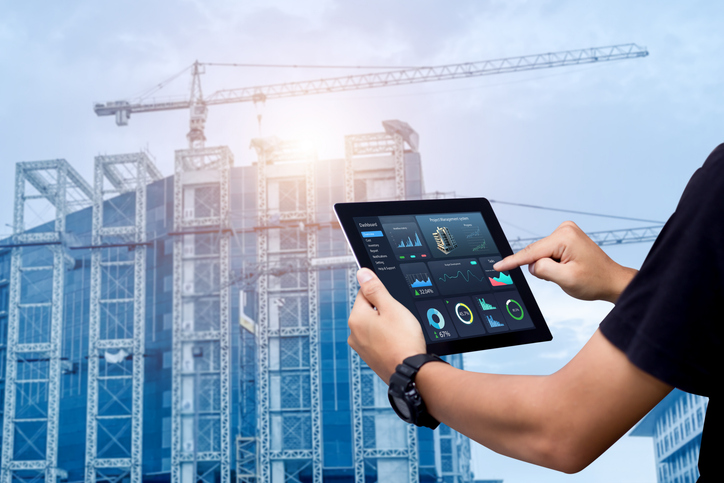
Here’s what’s working: developers who’ve adopted AI-powered planning and Building Information Modeling (BIM) are cutting coordination errors by 40–60%, trimming material waste by 15%, and reducing project planning time by up to 20%. That’s not theoretical. That’s what firms running these tools are reporting on the ground.
What BIM Actually Does for Your Project
BIM isn’t just 3D drawings. It’s a live, coordinated model of your entire building — architecture, structure, MEP — that every trade works from simultaneously. When a duct conflicts with a beam, the model flags it before anyone picks up a tool. On a California project where rework runs $150–$300/hour in labor alone, that matters.
The software market behind this technology — currently valued at $9.9 billion globally — is projected to hit $15.4 billion by 2030. California’s public agencies are already mandating BIM on infrastructure contracts. If you want access to those projects, BIM proficiency isn’t optional.
Where AI Plugs In
AI takes BIM data and makes it predictive. Modern platforms analyze historical project data — your data and market-wide data — to forecast schedule delays, catch budget overruns early, and optimize subcontractor sequencing in real time.
Key performance gains developers are seeing:
- 15–20% reduction in material waste through predictive ordering
- Real-time schedule recalculation when a sub falls behind or materials are delayed
- Automated cost risk flags before change orders hit
- Generative design that produces multiple compliant design alternatives in seconds
Digital Twins: The Asset Management Play
After your building delivers, a digital twin gives your facility team a live model to manage against. Predictive maintenance schedules, equipment health monitoring, energy optimization — all running from the same model you used to build. Buildings using digital twins report maintenance cost reductions of around 20%. For building owners managing California’s strict Title 24 energy compliance post-occupancy, that operational visibility is increasingly essential.
What Platform Should You Use?
For commercial and mixed-use: Autodesk Revit + Construction Cloud is the industry standard. For civil infrastructure (roads, utilities): Civil 3D. For field integration across all stakeholders: Procore connects your BIM data to the job site and your project management team.
If you’re mid-size and not ready for the full Autodesk stack, SketchUp and Edificius are solid entry points.
How to Get Started in 90 Days
- Audit your current project management workflow and identify where coordination errors or rework are eating margin
- Select one upcoming mid-size project as your pilot
- Bring in a BIM coordinator or hire a firm with existing Revit capability
- Set baseline metrics on planning time, RFIs, and rework costs so you can measure ROI
California contractors who master BIM and AI now won’t just be more competitive on the next project. They’ll be the ones positioned to capture public infrastructure contracts as BIM mandates expand across state and local agencies.
Next step: Talk to your project team about which upcoming bid could serve as your technology pilot. The best time to start was two years ago. The second-best time is your next project.
Part of A Builder’s Life | Technology Series