What’s happening: Digital twins — real-time virtual replicas of buildings that update continuously as construction progresses — are moving from pilot projects to standard practice on California’s larger commercial, healthcare, and campus developments.
Why It Matters to You
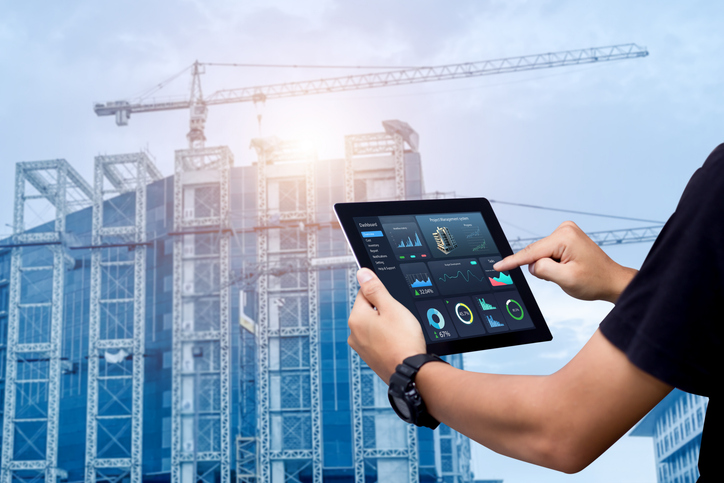
During construction, a digital twin gives every stakeholder — architect, engineer, GC, inspector, owner — access to the same live model. When a duct no longer fits or a structural beam conflicts with plumbing, the issue surfaces in the model before it surfaces on the job site. For developers, that means fewer RFIs, fewer change orders, and faster decision-making.
Post-construction is where the owner ROI compounds. Facility managers using digital twins for maintenance planning, equipment health monitoring, and energy optimization report maintenance cost reductions of around 20%. For building owners managing California’s Title 24 energy compliance requirements, continuous performance visibility isn’t a luxury — it’s part of your compliance strategy.
Cities including San Jose and Sacramento are exploring digital twins for permitting and inspection processes, which could eventually compress approval timelines for developers.
The Barrier
Software and training costs are still high for mid-size firms. Several tech companies are launching streamlined platforms for this tier of the market. California state universities are expanding BIM and digital twin curriculum to build a larger qualified workforce.
Bottom Line
If you’re delivering a project over $20 million in California today, ask your design team whether digital twin capability is part of their BIM deliverable. As-built digital models are increasingly expected — and increasingly valuable — at project handoff.
A Builder’s Life | Technology