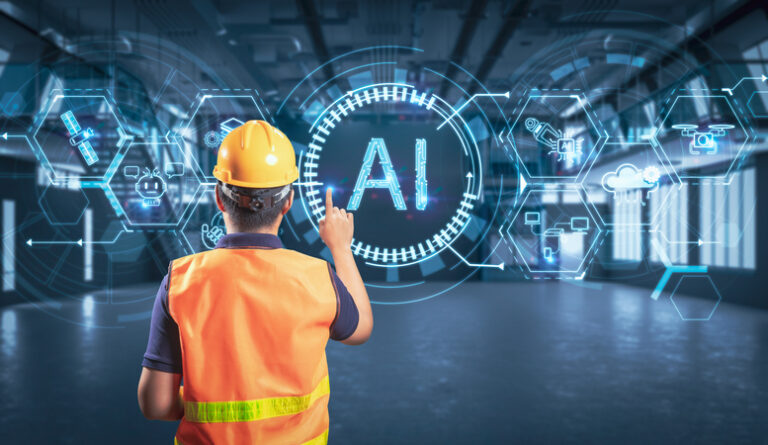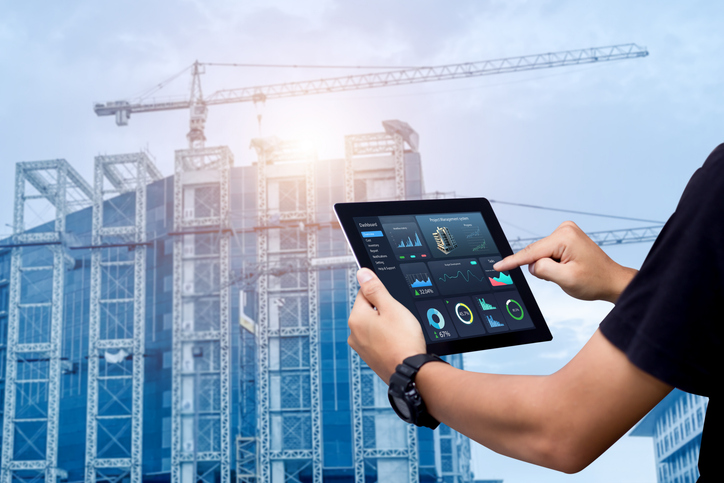
What’s happening: AI-driven analytics platforms are becoming standard tools on California’s larger commercial and infrastructure projects. They analyze historical performance data, local weather patterns, and live project inputs to flag delays, cost overruns, and safety risks before they occur.
Why It Matters to You
On large California projects — tech campuses, seismic retrofits, transit-adjacent multifamily — the subcontractor web is complex. AI scheduling platforms analyze every task across all trades and auto-generate sequences that reduce bottlenecks. When a material delay hits or a sub falls behind, the platform recalculates timelines instantly instead of waiting for the next OAC meeting.
Cost management is another strong application. Material prices in California fluctuate sharply with supply chain disruptions. Predictive cost modeling tools alert developers and GCs to upcoming price spikes, giving you a window to lock in pricing early. Some platforms also audit construction documents for errors or missing scope — catching issues that would otherwise become expensive change orders.
Safety is improving too. Computer vision systems now monitor live job-site camera feeds, flagging PPE violations or restricted zone entries in real time. With California’s stringent OSHA environment, fewer incidents also means fewer project shutdowns.
The Catch
Adoption is uneven. Large contractors move fast. Smaller firms often can’t afford the integration cost upfront. State incentive programs to bridge this gap are in discussion but not yet funded.
Your Next Move
If you’re evaluating a GC for your next major project, add AI scheduling and cost management capability to your prequalification criteria. It directly affects your project timeline and contingency exposure.
A Builder’s Life | Technology